URGENT
Middle East
CRITICAL · 88
Iran war cost US 81 aircraft and up to $3.3B to replace
A Congressional Research Service report updated October 5 found that the Iran war has cost the US military 81 aircraft lost or damaged, with the Congressional Budget Office estimating replacement costs at between $1.9 billion and $3.3 billion depending on Pentagon plans. Losses include an F-35A stealth fighter and an E-3 Sentry airborne early warning and control aircraft, with MQ-9 Reaper drones accounting for more than half the total. The overall war cost to Americans has reached at least $45 billion, a figure that excludes damage to infrastructure at US bases in the region.
◆ PRISM ANALYSIS
The scale of aircraft attrition — particularly the loss of scarce E-3 Sentry and F-35A airframes — accelerates the urgency and budget case for next-generation ISR and stealth replacement programmes, directly benefiting primes holding those contracts.

BREAKING
Middle East
CRITICAL · 87
Trump rules out Iran strikes before November 3 midterms
President Trump posted on Truth Social that the US will not attack Iran before the November 3 midterm elections, stating that productive discussions with the Islamic Republic of Iran are ongoing. Iranian Foreign Minister Abbas Araghchi said Tehran is reviewing the US response to its seven-day plan to reopen the Strait of Hormuz and will respond within the next few days. Iranian media reported massive explosions in the southern Strait of Hormuz on Friday, with Fars citing unnamed military sources as saying tankers using unauthorised routes may have struck sea mines.
◆ PRISM ANALYSIS
The bounded pause through November 3 reduces the immediate tail risk of a Gulf escalation but leaves the structural threat intact — any breakdown in Qatari-mediated talks or Houthi escalation against Saudi infrastructure could rapidly invalidate the pledge and reprice energy and defence assets.

URGENT
Middle East
CRITICAL · 85
Houthis claim Riyadh airport strike, airlines suspend flights
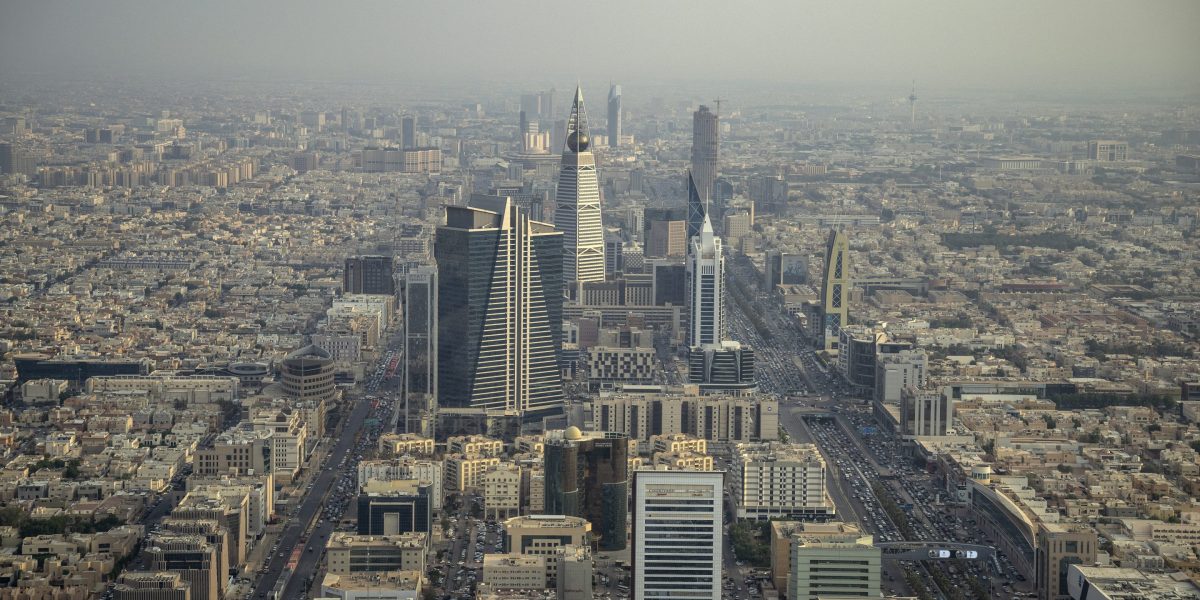
Yemens Iran-aligned Houthis escalated strikes against Saudi Arabia, claiming a hit on Riyadh airport where witnesses saw smoke billowing from a plane, while Saudi officials said debris from an intercepted missile struck a kindergarten and medical complex. Lufthansa and Air India announced suspension of flights to Riyadh following the attacks, and the Houthis warned workers to stay away from energy plants as missile fire has killed three people this week. Almost 50 percent of departures from Riyadh airport had been cancelled by 1500 GMT, with 31 more cancellations expected for Friday, according to aviation analytics company Cirium.
◆ PRISM ANALYSIS
Sustained Houthi strikes on Saudi aviation and energy infrastructure, now prompting major carrier flight suspensions, signal that Turkey, Pakistan and Saudi Arabia will face mounting pressure to activate the Mecca Joint Defence Agreement commitments announced this week, potentially drawing new actors into the conflict.
NORMAL
North America
CRITICAL · 78
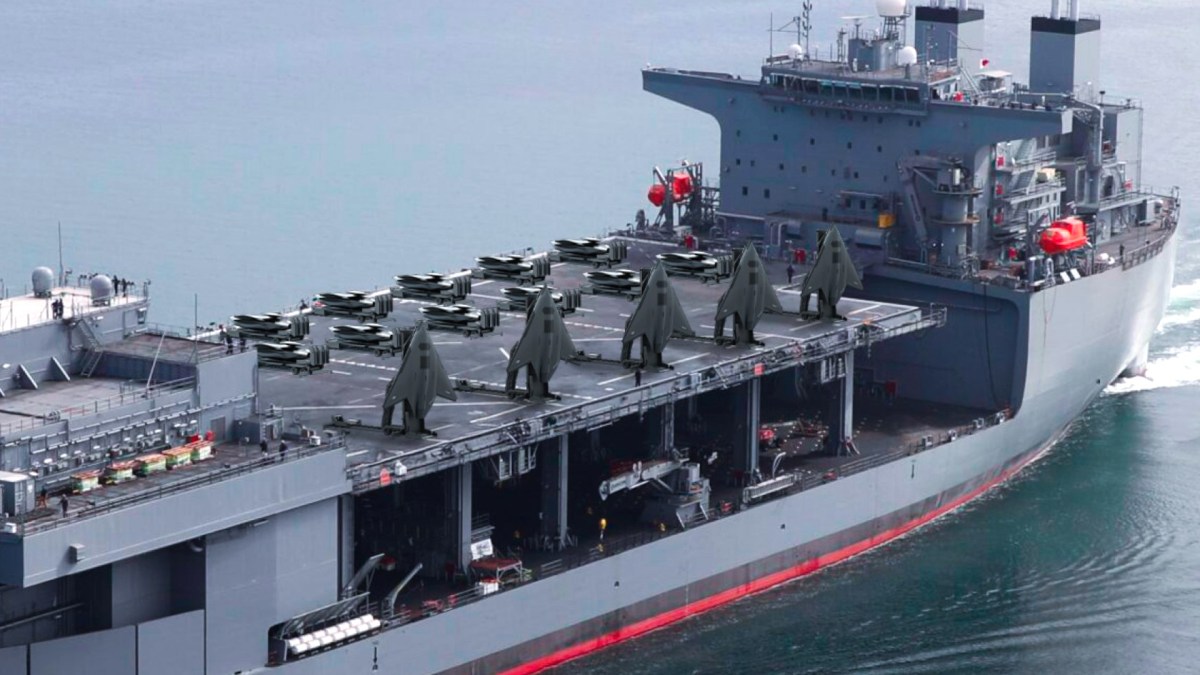
Shield AI X-BAT receives $150M, first prototype due this month
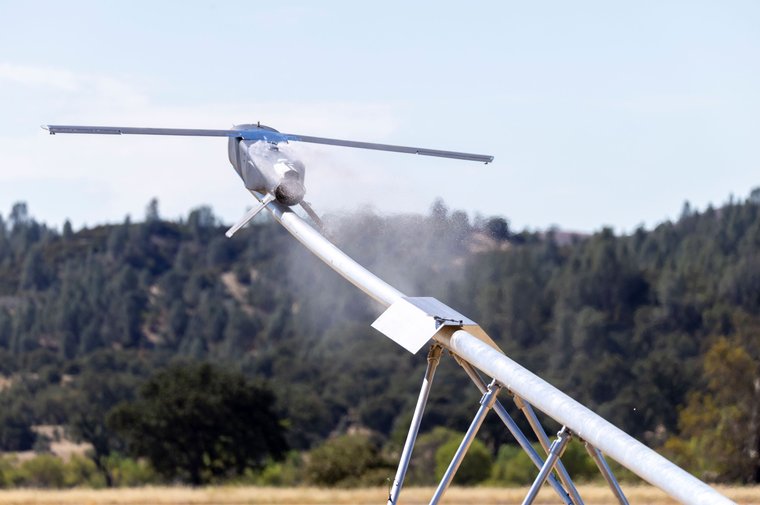
Shield AI has received an additional $150 million in funding through the Office of the Under Secretary of War for Acquisition and Sustainment via its Defense Exportability Features program, on top of an earlier $50 million Navy and Defense Innovation Unit investment under the Runway Independent Maritime Expeditionary Strike programme. With Shield AI committing an equivalent amount of internal funding, the combined total reaches $400 million, and the company says the first full-scale X-BAT jet-powered stealth VTOL drone prototype is on track to be completed by the end of October. Flight testing is still scheduled to begin before the end of the year, with Shield AI targeting early operational capability under the RIMES programme in 2029.
◆ PRISM ANALYSIS
A $400 million combined funding commitment and an October prototype milestone make X-BAT the most concretely resourced tail-sitting unmanned fighter programme in development, signalling that the Navy is willing to fund aggressive timelines for maritime expeditionary strike autonomy.

URGENT
Middle East
CRITICAL · 75
Senator denied Al Udeid access, calls it a cover-up
Senator Chris Murphy, a member of the Senate Foreign Relations Committee and Defense Appropriations Committee, was denied access to Al Udeid Air Base in Qatar during a Congressional Delegation trip to assess Iran war damage, calling the denial a cover-up. Murphy said the Department of Defense is withholding damage information, slow-walking casualty reports and blocking base access, and he intends to draft legislation explicitly requiring the Department of Defense to grant congressional access to overseas bases under all circumstances. A senior Defense Department official said the denial was consistent with the Secretary of Wars directive on travel restrictions in the region ordered on March 3, 2026.
◆ PRISM ANALYSIS
Congressional oversight of the true cost of the Iran war — including base damage at Al Udeid — is being actively contested, and any legislation requiring mandatory access could force a fuller public accounting that reshapes appropriations debates and contract priorities heading into 2027.

URGENT
Middle East
HIGH · 72
Turkey weighs air defence role in Saudi Arabia under Mecca pact
Turkish Foreign Minister Hakan Fidan said Ankara is assessing how it can support Saudi Arabias defence against Houthi attacks under the Mecca Joint Defence Agreement signed in August by Turkey, Pakistan and Saudi Arabia, explicitly ruling out any offensive role or troop deployments for offensive operations. Fidan said military officials are evaluating possible contributions in air defence, electronic warfare and technical support, following an agreement by the three countries to move immediately toward rapid deployment of forces and capabilities in Saudi Arabia. Fidan also said work is largely completed for the agreement to be submitted to Turkeys parliament for approval and that they aimed to send it as soon as possible.
◆ PRISM ANALYSIS
Turkish air defence and electronic warfare deployment to Saudi Arabia would mark the first activation of the Mecca pact and introduce a NATO member directly into the Gulf conflict perimeter, a development with significant implications for alliance cohesion and regional escalation dynamics.